

What Is CRM Software?
A simple guide to CRM software, customer management, sales automation, AI-powered CRM, and business growth.
What Is CRM Software?
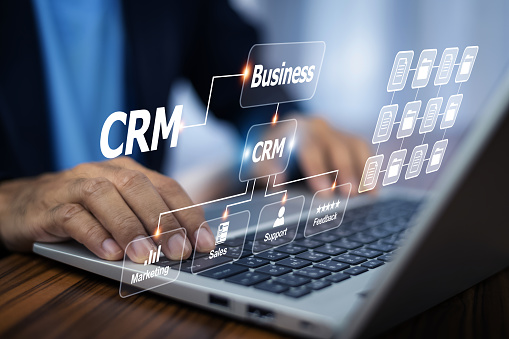
CRM stands for Customer Relationship Management. CRM software helps businesses manage customer information, leads, sales activities, communication, follow-ups, and customer relationships from one centralized platform.
As a business grows, managing customer information through spreadsheets, emails, notes, and different applications can become difficult. Important information can be missed, follow-ups may be delayed, and sales teams may not have a complete view of the customer journey.
CRM software brings this information together in one organized system. Teams can manage leads, track sales opportunities, record customer interactions, schedule follow-ups, and monitor sales performance more efficiently.
Why Do Businesses Need CRM?
Businesses handle many customer enquiries, leads, sales opportunities, meetings, and follow-up activities. Managing these activities manually can take time and may lead to missed opportunities.
A CRM provides a structured way to store customer data and manage sales activities. Employees can quickly find customer information, check previous interactions, and understand the current stage of an opportunity.
By keeping customer and sales information in one place, businesses can improve communication, organize their workflow, respond faster, and build stronger customer relationships.
Key Benefits of CRM Software
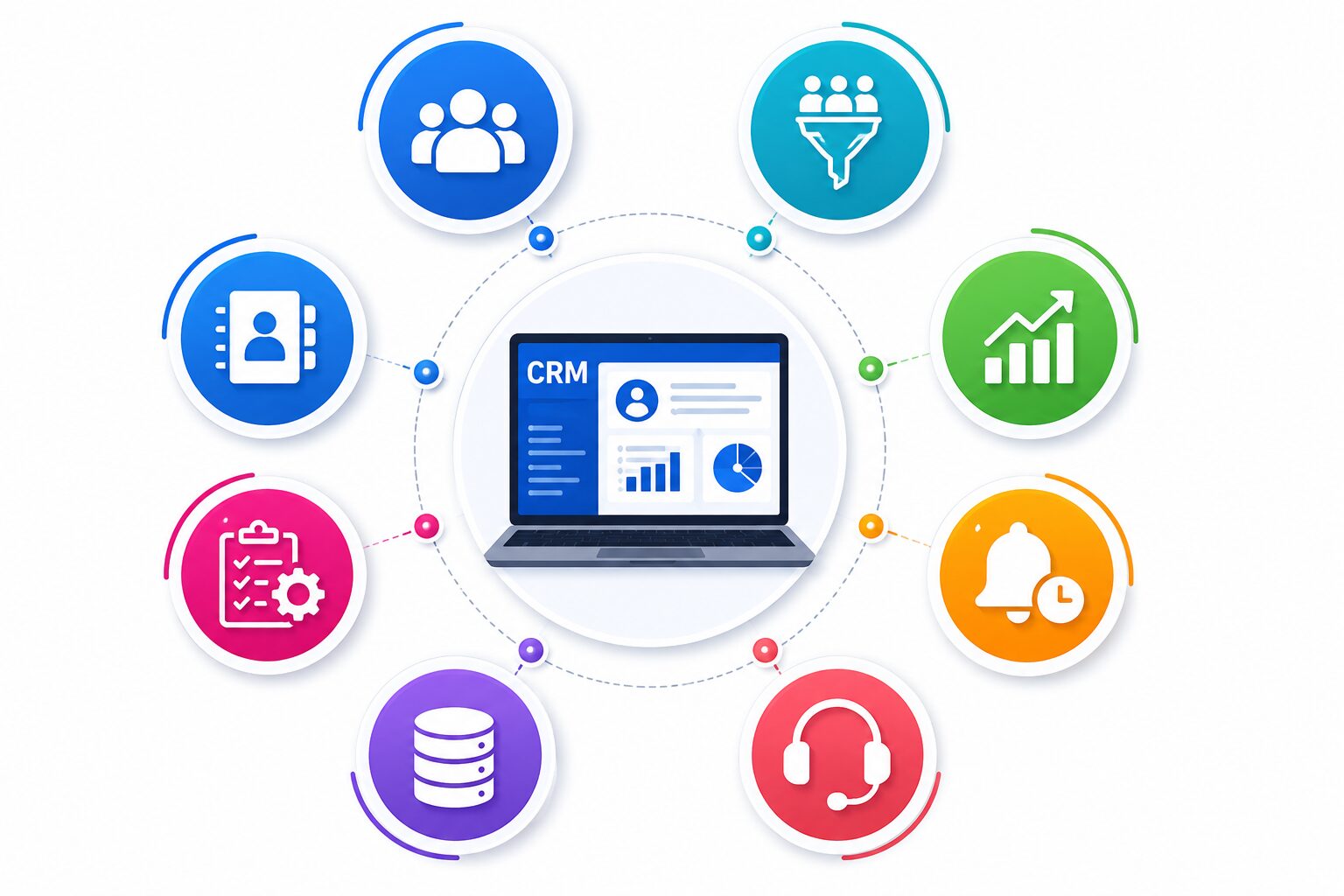
A CRM system can support different teams across a business. Some of the major benefits include:
Customer Management
Store customer details, communication history, requirements, and important information in one place.
Lead Management
Capture, organize, qualify, assign, and track leads throughout the sales process.
Sales Pipeline
Monitor opportunities and understand which deals are progressing and which need attention.
Automated Follow-Ups
Manage reminders, tasks, notifications, and follow-ups to reduce missed customer interactions.
Better Productivity
Reduce repetitive work and allow employees to focus more on customers and sales activities.
Reports & Analytics
Monitor sales performance, conversions, revenue, leads, and other important business information.
What Is AI-Powered CRM?
AI-powered CRM combines traditional customer relationship management with artificial intelligence. It can help businesses analyze customer information, automate repetitive activities, and provide useful insights.
Instead of using CRM only as a customer database, businesses can use AI to support sales teams, improve workflows, understand customer behaviour, and make better use of business data.
- Lead prioritization and qualification
- Automated customer follow-ups
- Customer insights and analysis
- Sales predictions and reporting
- Email and communication assistance
- Task and workflow automation
- Personalized customer communication
CRM Software for Small Businesses
Small businesses often manage customer information using spreadsheets, emails, messaging applications, and manual notes. These methods may work initially, but they can become difficult to manage as the business grows.
CRM software provides a centralized system for managing customers, leads, sales activities, communication, and follow-ups. It can help small businesses reduce manual work and maintain better visibility into their sales process.
CRM for Different Industries
CRM software can be adapted to different industries according to their customer journey and business requirements.
Sales CRM
Manage leads, opportunities, sales pipelines, customer communication, and follow-ups.
Recruitment CRM
Manage candidates, interviews, recruitment pipelines, and communication.
Real Estate CRM
Manage property enquiries, buyers, sellers, leads, and follow-ups.
Education CRM
Manage student enquiries, admissions, applications, and communication.
Customer Support CRM
Manage customer requests, service activities, and support interactions.
Marketing CRM
Support customer segmentation, campaigns, communication, and marketing activities.
How CRM Supports Business Growth
CRM connects different stages of the customer journey, from generating a lead to converting the lead and maintaining the customer relationship.
When customer information, sales activities, follow-ups, and communication are managed from one platform, businesses can gain better visibility into their customer lifecycle.
This can help improve sales organization, customer communication, employee productivity, and long-term customer relationships.
How to Choose the Right CRM Software?
Every business has different requirements. Before selecting a CRM, businesses should consider their workflow, team size, customer journey, and future growth plans.
Easy to Use
Choose a user-friendly system that employees can learn and use easily.
Automation
Look for automation features that reduce repetitive tasks and follow-up work.
Scalability
The CRM should support the business as customers and employees increase.
Reports & Analytics
Dashboards and reports help managers understand sales and customer activity.
Frequently Asked Questions
What is CRM software?
CRM software is used to manage customer information, leads, sales activities, communication, and customer relationships.
How does CRM help businesses?
CRM helps businesses organize customer data, manage leads, improve follow-ups, monitor sales, and improve customer service.
Can CRM automate follow-ups?
Yes. CRM systems can automate reminders, tasks, notifications, emails, and other follow-up activities.
What is AI CRM?
AI CRM combines CRM software with artificial intelligence to provide automation, insights, analytics, and intelligent assistance.
Conclusion
CRM software helps businesses manage customers, leads, sales activities, communication, and follow-ups from one centralized platform.
Modern CRM solutions can also provide automation, reporting, analytics, integrations, and AI-powered features to improve productivity and decision-making.
Choosing the right CRM depends on business requirements, ease of use, automation, scalability, security, integrations, and reporting capabilities.
With an effective CRM strategy, businesses can create a more organized sales process, improve customer relationships, and support long-term growth.


